
The Role of Environment in Gambling
Casinos are meticulously designed environments that engage the senses and evoke emotions. The lighting, sounds, and even scents are carefully chosen to create an atmosphere that encourages players to spend more time and money. Bright lights draw attention to games, while softer lighting in lounges provides a contrast that makes players feel comfortable and relaxed. This combination keeps them lingering longer and betting sites contributes to betting more.
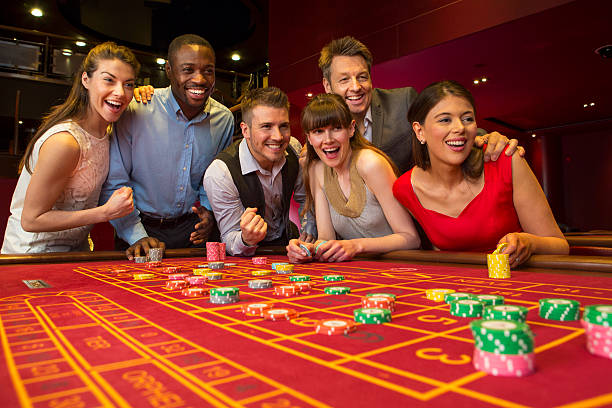
Additionally, the sounds of coins clinking and machines beeping play a significant role in maintaining an energetic ambiance. Such auditory cues, combined with visual stimulation, enhance the excitement, almost creating an addictive experience. Players are often drawn in by these sensory elements, often without realizing how they’re being influenced, ultimately leading to increased wagering.
Influencing Behavior Through Near Misses
The concept of a « near miss » is a powerful psychological tool used by casinos. When players come close to winning—like hitting two out of three symbols on a slot machine—they experience a surge of excitement and hope. This feeling can be more thrilling than winning itself, as it triggers a psychological response that compels them to try again. Casinos understand this and use it to their advantage, often designing games that maximize these close calls.
By strategically placing near misses in gaming outcomes, casinos can sustain a player’s interest and prolong gameplay. This phenomenon keeps individuals coming back for more, believing that a win is just around the corner, hence contributing to repeated betting behaviors over time.
Reward Systems and Player Loyalty
Casinos utilize various reward systems to create a sense of loyalty among players. Programs that offer complimentary drinks, meals, or accommodations not only enhance the gambling experience but also tap into the psychological principle of reciprocity. When players receive something for free, they may feel compelled to continue gambling to « earn » their keep, increasing overall betting amounts.
Moreover, tiered loyalty programs further incentivize players to drive their spending up. As they progress through levels, the rewards become more enticing, pushing them to gamble more for fear of losing out on exclusive offers. This creates an ongoing cycle where players feel they have to keep playing to maintain their status and rewards.
Anchoring and Framing Effects
Psychological strategies such as anchoring and framing are also prevalent in casinos. Anchoring refers to the reliance on the first piece of information encountered when making decisions, which in a casino setting could be the initial betting amount suggested on a table. If players see a high starting bet, they may subconsciously adjust their perceptions of what’s considered a normal amount to wager.
Framing effects play a crucial role in how options are presented to players. For example, a casino might advertise a game as having a « high payout potential, » which makes players more likely to view it favorably, regardless of the actual odds. By manipulating the context in which information is presented, casinos can effectively shape how players make decisions, often leading to increased bets.

Your Gateway to Understanding Casino Psychology
This website serves as an essential resource for those looking to delve deeper into the intricate world of casino psychology. By uncovering the strategies that casinos use to influence player behavior, you can make informed decisions about gambling. We provide insightful articles and analyses that can help demystify the techniques utilized by the gaming industry.
Through our platform, visitors can explore various aspects of gambling, from understanding psychological tactics to responsible gaming practices. We aim to foster a knowledgeable community of players who can engage with casinos on a more informed basis, ensuring a safer and more enjoyable experience in the world of gaming.